

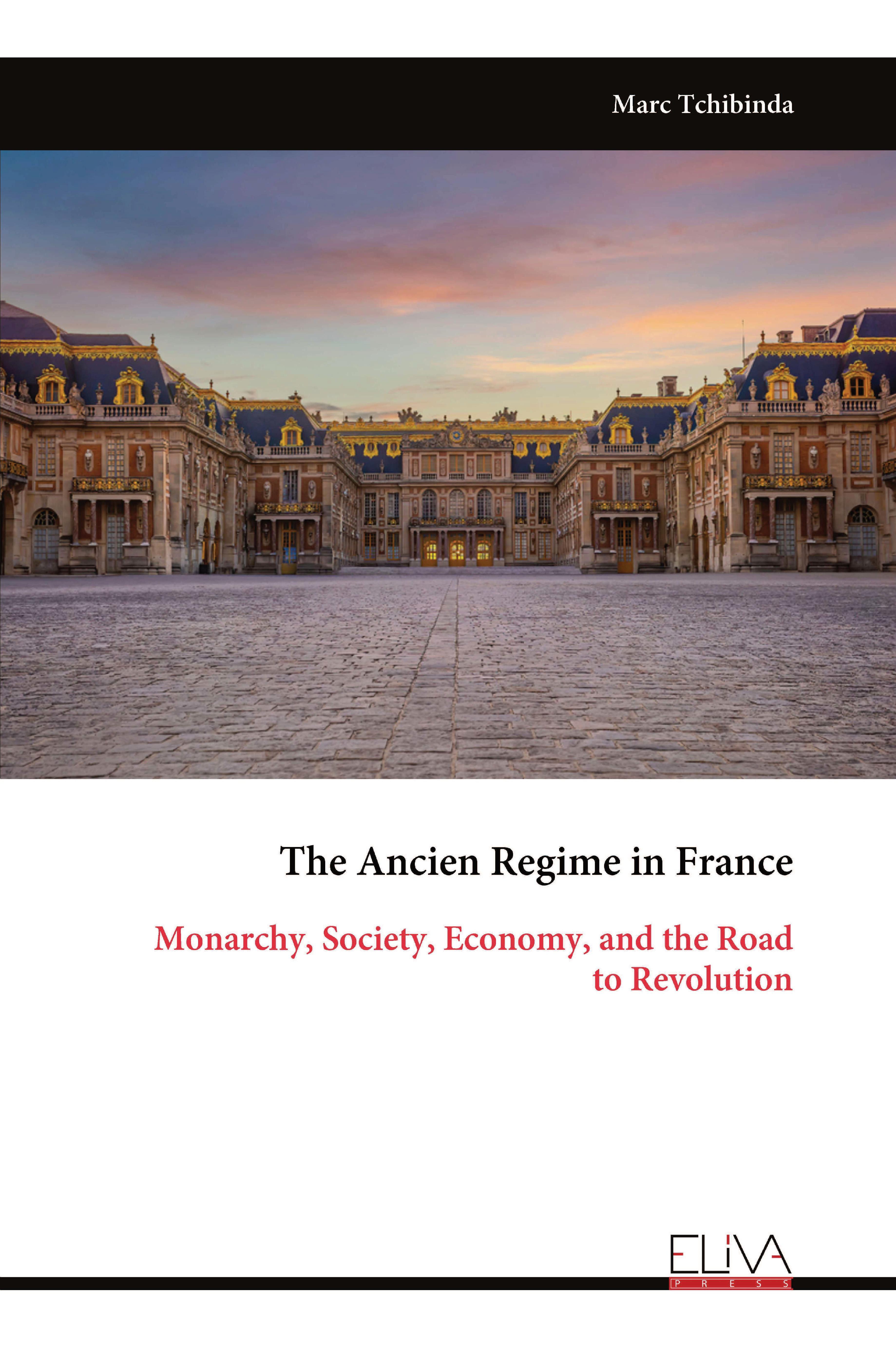
The Ancien Regime in France
$ 60
Description
This book offers a careful study of the Ancien Régime as a political and social order defined by hierarchy, tradition, negotiation, and institutional complexity. Rather than presenting the monarchy as either absolute or powerless, it examines how royal authority operated through existing legal, provincial, and social structures. The crown could issue edicts and represent the unity of the kingdom, but effective government depended on cooperation with local elites, inherited institutions, and established practices. The book also explores how eighteenth-century ideas transformed the way the old order was understood and judged. Concepts such as utility, equality, merit, public happiness, and national interest increasingly challenged institutions that had long been defended by custom, privilege, and historical continuity. By connecting political authority, legal tradition, reform, and public criticism, this study explains why the Ancien Régime possessed remarkable stability, yet struggled to adapt when demands for reason, fairness, and reform became impossible to ignore.