

Metal Toxicity in Aquatic Life
$ 42.5
Description
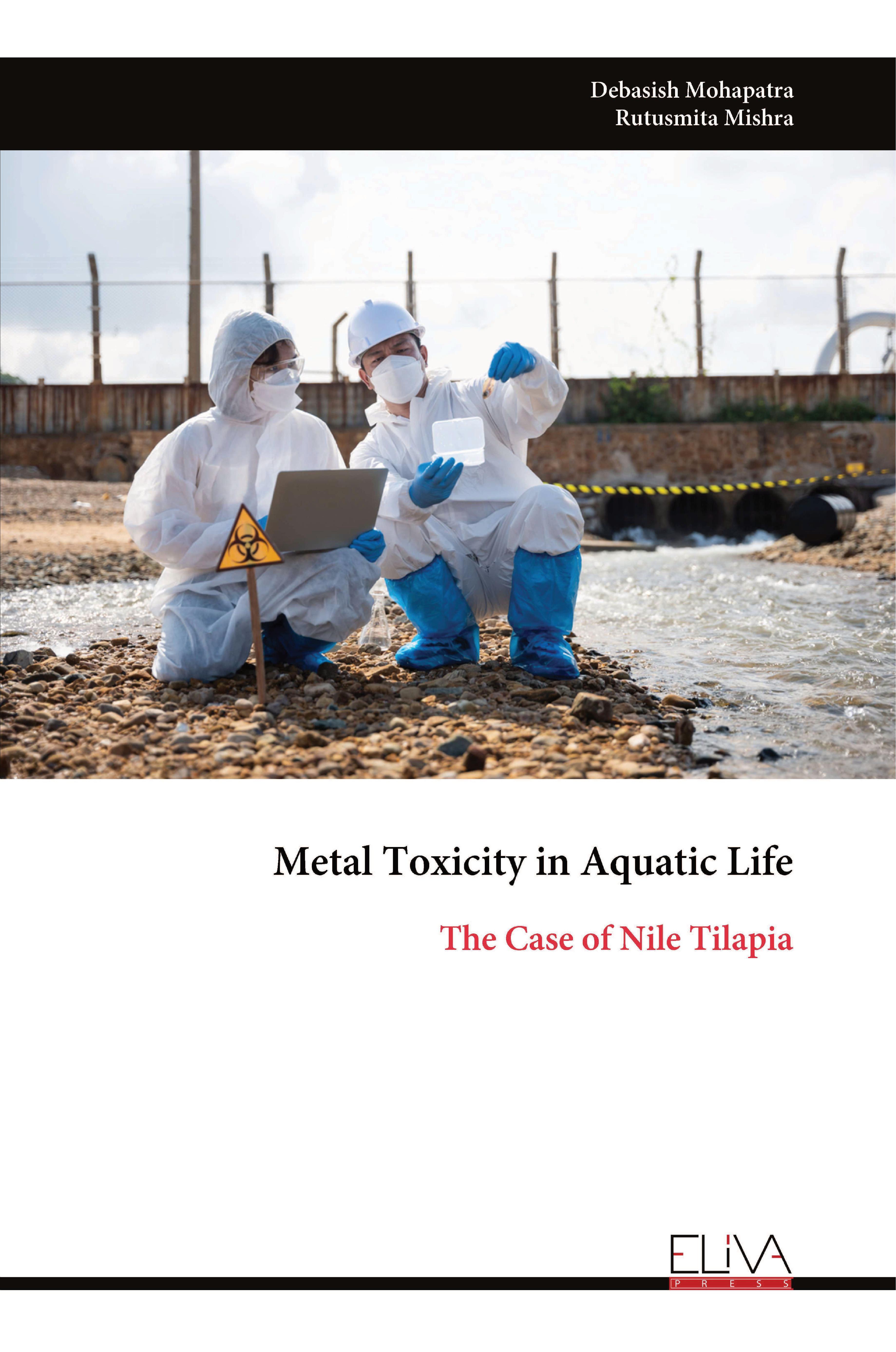
Aquatic ecosystems are increasingly threatened by the rising burden of metal pollutants, posing serious risks to fish health and environmental sustainability. Metal Toxicity in Aquatic Life: The Case of Nile Tilapia presents a comprehensive exploration of the toxicological effects of metals, with a focused investigation on one of the most widely studied and economically important fish species, Oreochromis niloticus. This book systematically examines the impact of metal exposure from morphological alterations to physiological disruptions and oxidative stress responses. Integrating experimental insights with current scientific understanding, it highlights how metal contaminants interfere with cellular homeostasis, antioxidant defence systems, and overall fish health. Designed for researchers, academicians, and students in zoology, toxicology, environmental science, and aquatic biology, this work provides valuable perspectives on biomarker responses, ecological implications, and future research directions. It serves as both a scientific reference and a timely reminder of the urgent need to monitor and mitigate aquatic pollution. Aquatic ecosystems are increasingly threatened by the rising burden of metal pollutants, posing serious risks to fish health and environmental sustainability. Metal Toxicity in Aquatic Life: The Case of Nile Tilapia presents a comprehensive exploration of the toxicological effects of metals, with a focused investigation on one of the most widely studied and economically important fish species, Oreochromis niloticus. This book systematically examines the impact of metal exposure from morphological alterations to physiological disruptions and oxidative stress responses. Integrating experimental insights with current scientific understanding, it highlights how metal contaminants interfere with cellular homeostasis, antioxidant defence systems, and overall fish health. Designed for researchers, academicians, and students in zoology, toxicology, environmental science, and aquatic biology, this work provides valuable perspectives on biomarker responses, ecological implications, and future research directions.