

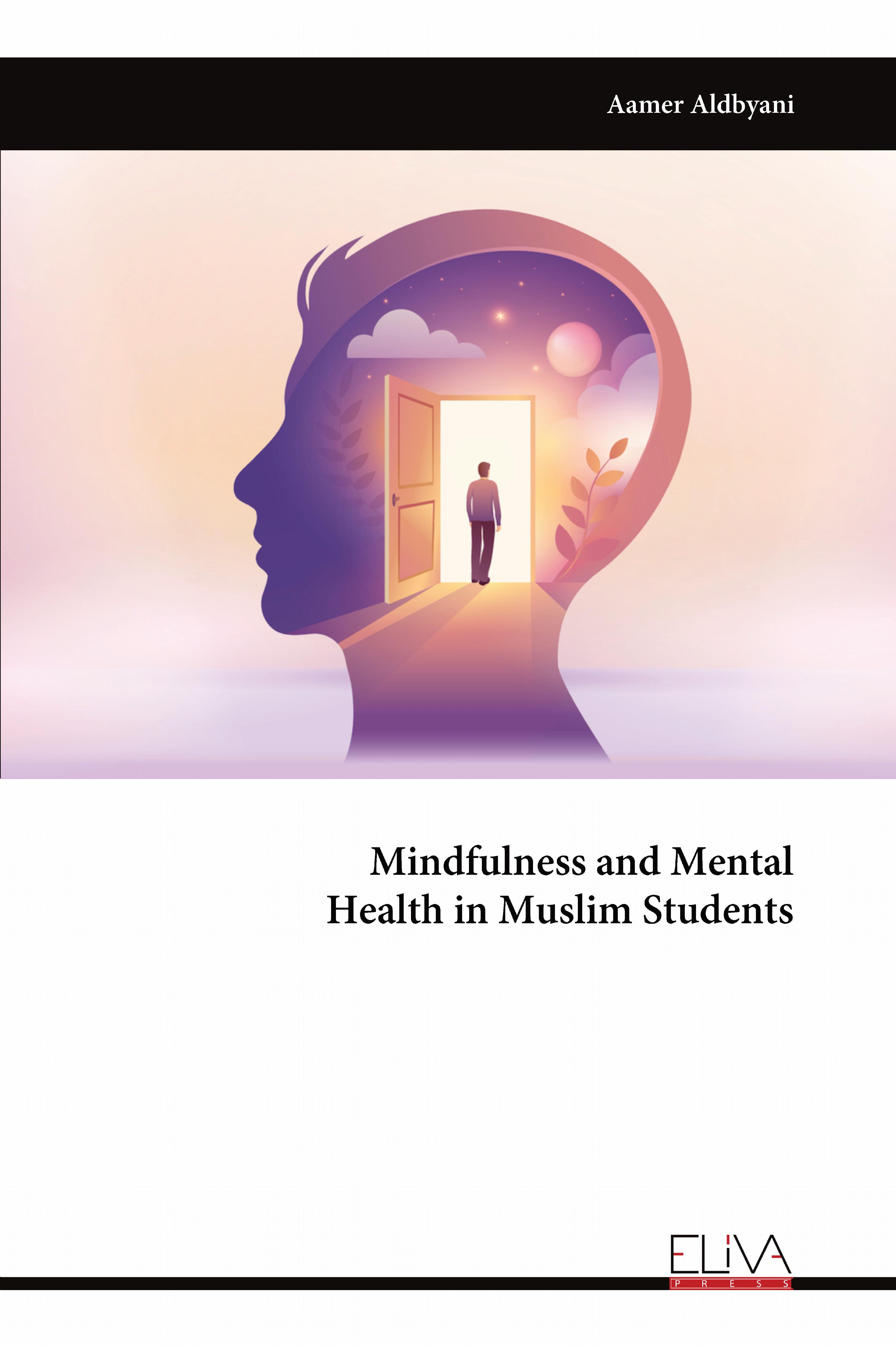
Mindfulness and Mental Health in Muslim Students
$ 70
Description
Leave review
Description
In recent years, mindfulness has emerged as one of the most influential approaches in positive psychology and mental health research. Yet, limited attention has been given to its role within Muslim societies and among Muslim university students. This book addresses that gap by examining the relationship between mindfulness, academic burnout, psychological well-being, and mental health among students in Yemen and Egypt.
Drawing on four empirical studies, the book explores how mindfulness influences stress, emotional regulation, trust, academic performance, anxiety, depression, and overall psychological functioning. Using both correlational and intervention-based research designs, the studies investigate the mechanisms through which mindfulness contributes to healthier emotional and academic outcomes in Muslim student populations.
The findings demonstrate that mindfulness meditation training can reduce perceived stress, emotional exhaustion, cynicism, anxiety, depression, and academic burnout while improving psychological well-being, emotional regulation, general trust, and academic efficacy. The research further highlights the mediating role of perceived stress and emotional regulation in explaining these relationships.
A distinctive contribution of this work lies in its integration of mindfulness within Islamic and Arab cultural contexts. The book discusses the compatibility between mindfulness practices and Islamic traditions, offering a culturally grounded perspective on mental health interventions among Muslim communities.
Combining theoretical discussion with quantitative empirical evidence, this book contributes to the fields of positive psychology, educational psychology, mental health, and mindfulness research. It will be valuable for researchers, graduate students, mental health practitioners, and educators interested in student well-being, mindfulness-based interventions, and cross-cultural psychology.