

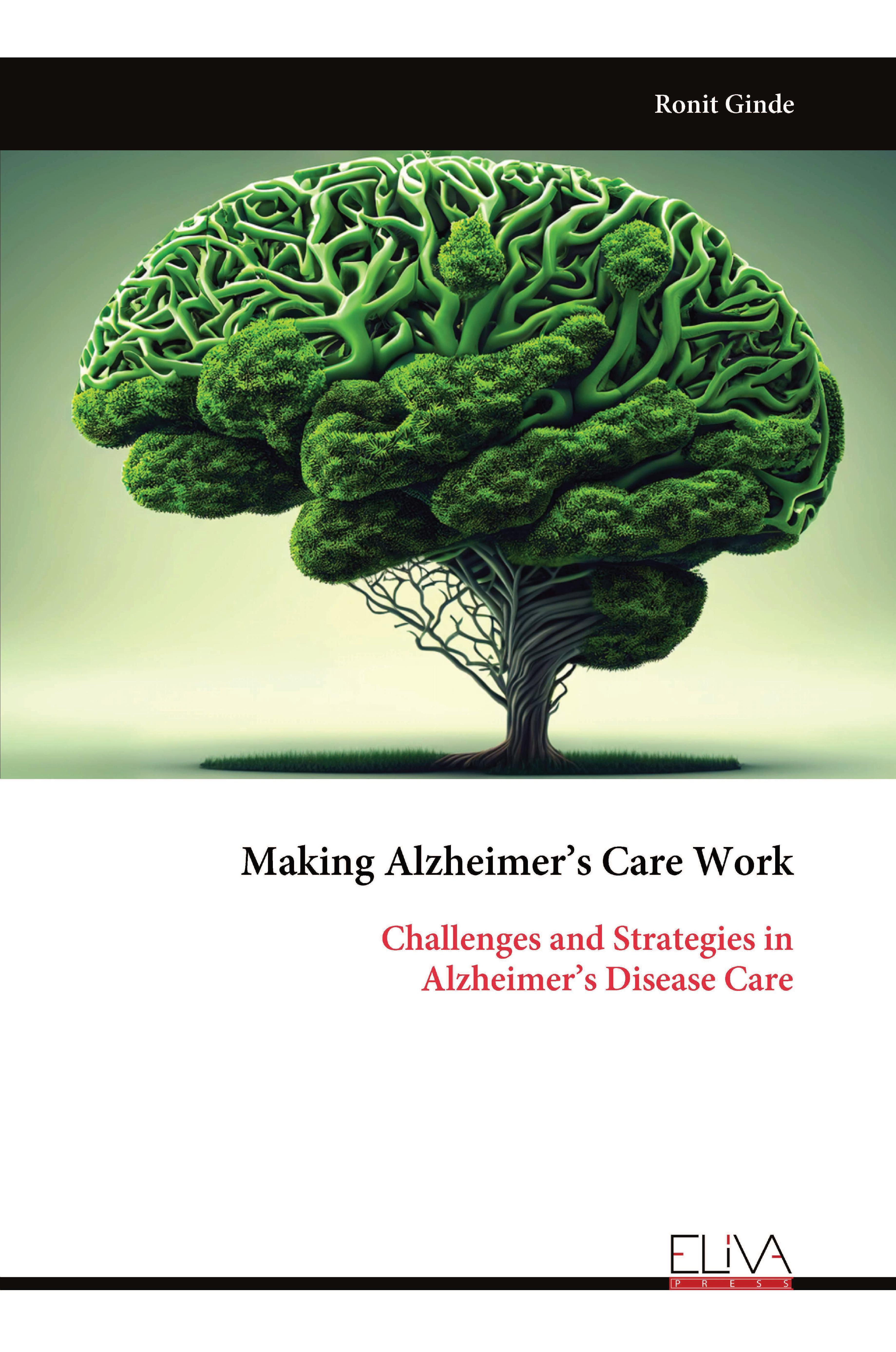
Making Alzheimer’s Care Work
€ 45.5
Descripción
Dejar revisión
Descripción
Alzheimer’s disease is entering a new stage. Disease-modifying treatments can now slow cognitive decline in some patients with early Alzheimer’s disease, while emerging blood-based biomarkers may make it easier to identify the disease’s underlying pathology. However, these scientific advances will have limited impact if patients cannot obtain an accurate diagnosis, reach specialists, access treatment, or receive continued support. Making Alzheimer’s Care Work examines the gap between progress in Alzheimer’s research and the care that patients and families experience. It discusses the benefits and limitations of new treatments, the need for responsible early detection, evidence surrounding dementia risk reduction, and the challenges created by fragmented care. It also examines the financial and emotional demands placed on caregivers, gaps in long-term care coverage, and shortages within the direct-care workforce. The book concludes with a practical federal roadmap through 2035. Its recommendations focus on improving diagnostic pathways, strengthening care coordination, expanding caregiver support, building a stable workforce, and measuring whether scientific advances are actually reaching the people who need them.