

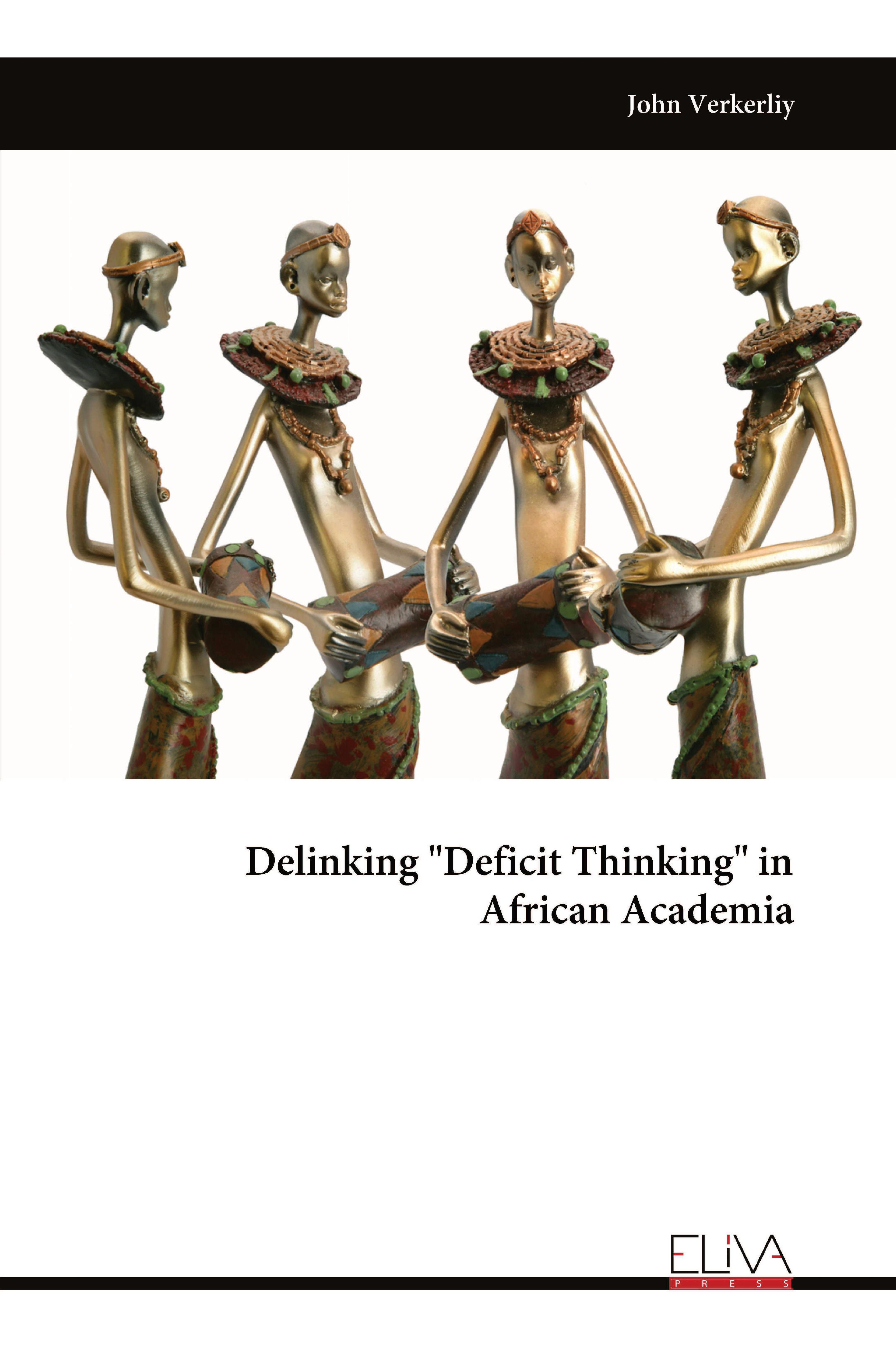
Delinking "Deficit Thinking" in African Academia
€ 42.5
Descripción
This seminal work exposes the pernicious legacy of coloniality, revealing how entrenched epistemic hierarchies continue to erode intellectual autonomy and distort knowledge production in African academia. With meticulous scholarship, the author traces the historical genesis and contemporary manifestations of deficit thinking, making a compelling case for a deliberate and rational epistemic reorientation. Eschewing simplistic rejection or subservience to Eurocentric paradigms, the book charts a nuanced path towards a critical, dialogical integration of African intellectual traditions with global scholarship. By prioritizing context, culture, and self-definition, this approach empowers African universities to emerge as vibrant hubs of innovation and thought leadership. Through a searching analysis of institutional cultures, governance structures, and knowledge validation systems, the book offers actionable pathways for delinking, re-centering, and reclaiming intellectual agency. A tour de force, this book is indispensable reading for scholars, policymakers, and anyone committed to decolonizing knowledge and shaping a more inclusive global academic landscape. This seminal work exposes the pernicious legacy of coloniality, revealing how entrenched epistemic hierarchies continue to erode intellectual autonomy and distort knowledge production in African academia. With meticulous scholarship, the author traces the historical genesis and contemporary manifestations of deficit thinking, making a compelling case for a deliberate and rational epistemic reorientation. Eschewing simplistic rejection or subservience to Eurocentric paradigms, the book charts a nuanced path towards a critical, dialogical integration of African intellectual traditions with global scholarship. By prioritizing context, culture, and self-definition, this approach empowers African universities to emerge as vibrant hubs of innovation and thought leadership. Through a searching analysis of institutional cultures, governance structures, and knowledge validation systems, the book offers actionable pathways for delinking, re-centering, and reclaiming intellectual agency.