

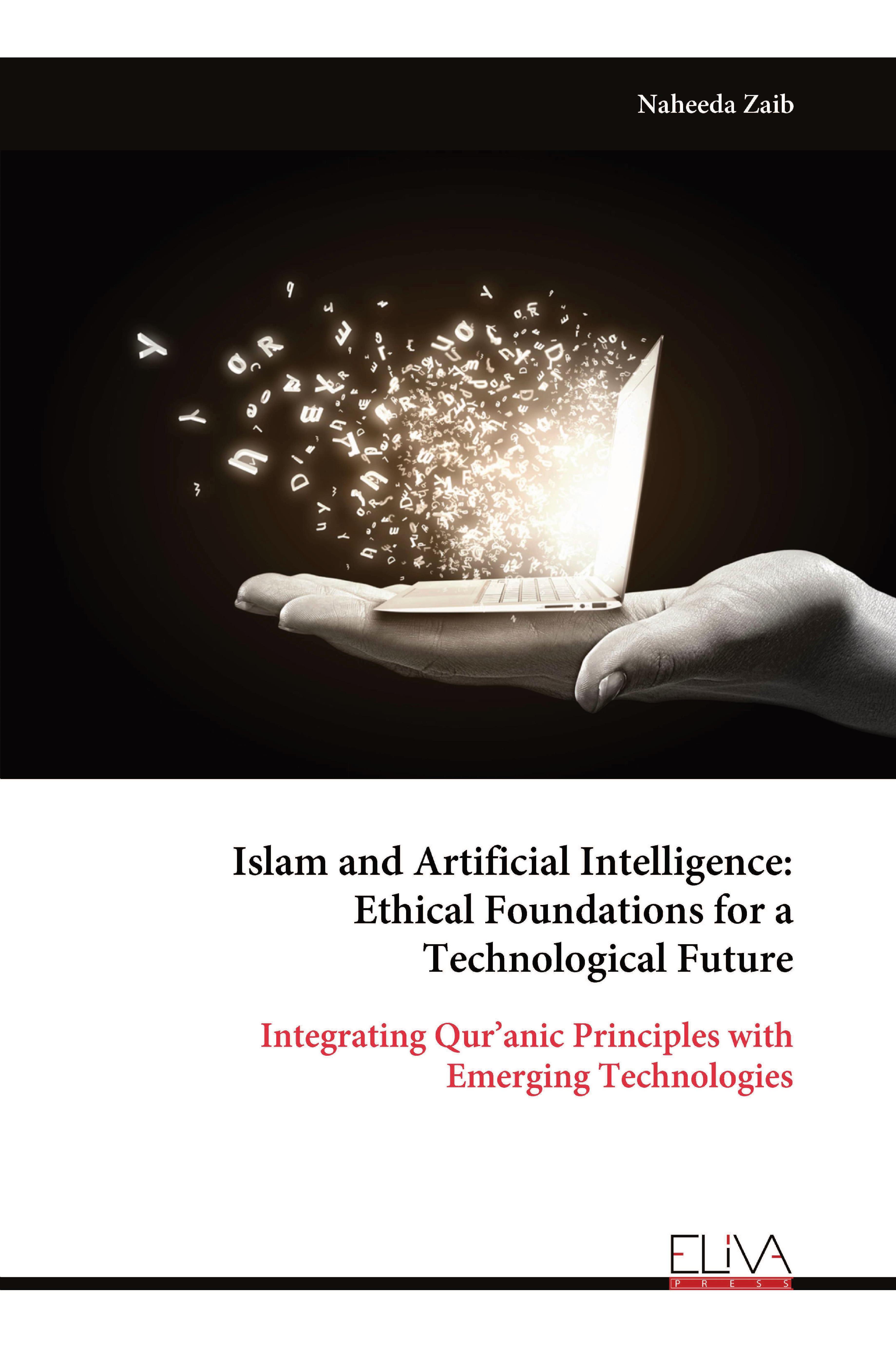
Islam and Artificial Intelligence: Ethical Foundations for a Technological Future
€ 54.5
Descripción
The world is changing faster than ever before due to Artificial Intelligence, with the way economics, governance, healthcare, and finance, as well as human relationships, are reshaped. However, with more intelligent machines, some ethical concerns are becoming too important: Who is responsible? So what are the ethical boundaries of automation? Is it possible to move on in innovation at the expense of human dignity? Islam and Artificial Intelligence: Ethical Foundations of a Technological Future ideally answers these questions by presenting in a timely and rigorous manner by employing the Quranic principles and classical Islamic ethical thought. Dr. Naheeda Zaib introduces a framework based on Maqasid al-Shariah, justice (‘Adl), the welfare of the population (Maslahah) and the prevention of harm (La Darar) that should be applied to the development of responsible AI. This book bridges faith and technology in its argument that Islam is not opposed to progress, but gives a moral guide to that progress. An important addition to the community of scholars, technologists, policymakers, and students, the work urges people to be faith-driven in their innovations in an increasingly algorithmic world.